

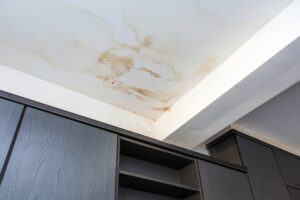
 Moisture damage in rental properties doesn’t usually begin with a flood or pipe rupture. Instead, it forms gradually through everyday humidity, small leaks, and poor airflow. Continued constant exposure can result in mold growth, wood rot, and deteriorating indoor air quality. For rental property owners, understanding these risks is key to protect your property’s value and avoid costly repairs.
Understanding Moisture Damage: The Hidden Threat to Rental Property Value
When people think about property damage, they often focus on dramatic events such as floods, fires, or storms. Still, there are other things that can cause just as much damage quietly. Moisture damage is one of the most common examples. It is persistent, gradual, and easy to overlook, especially in rental properties where early signs are often missed.
Daily habits like showering, cooking, doing laundry, and breathing release moisture into the air. Without proper ventilation and routine upkeep, that moisture can penetrate walls, flooring, and support materials, steadily weaken the property and turn into significant damage.
Over time, Moisture damage escalates. What starts as light condensation or a slow drip can lead to widespread issues that reduce the property’s habitability and overall value.
Common Causes of Moisture Damage in Rental Properties
The most common sources of moisture damage within a rental property are often linked to everyday living habits or gradually developing plumbing issues. Examples include:
- High Indoor Humidity: Residents produce indoor moisture through daily routines. Bathrooms without adequate fans, kitchens with poor ventilation, and laundry spaces that trap steam contribute to elevated humidity levels.
- Small Leaks: Slow pipe drips, roof seepage, and improperly sealed windows may remain hidden for long periods. These minor leaks often stay concealed, causing damage before problems surface.
- Poor Ventilation and Airflow: Without consistent airflow, moisture accumulates. High-risk areas include basements, attics, closets, and bathrooms. Poor ventilation commonly leads to long-term moisture damage in rentals.
- Seasonal Weather and Climate: Persistent wet or humid weather increase moisture exposure, reinforcing the need for regular maintenance and inspections.
Long-Term Effects of Moisture Damage on Rental Properties
Left untreated, even small amounts of moisture can create serious issues:
- Mold and Mildew Growth: Moist conditions establish conditions for mold, which can cause resident complaints and potential legal concerns.
- Poor Air Quality: Humid indoor air promotes worsening health conditions, leading to increased liability and declining habitability.
- Wood Rot and Structural Weakening: Persistent moisture gradually undermines wood framing, subfloors, and trim, resulting in structural damage often unnoticed until expensive repairs are needed.
- Cosmetic damage: Warped flooring, peeling paint, and damaged surfaces are usually the first visible signs of deeper moisture problems, affecting tenant satisfaction and rental appeal.
Since moisture damage accumulates over time, fixes often become more extensive, so proactive property inspections are a vital priority for rental property owners.
Proven Moisture Prevention Strategies for Landlords
When it comes to Prevention, landlords can effectively avoid moisture-related property damage through routine property inspections. Identifying condensation patterns and evaluating ventilation systems ensures steps are taken to stop damage early.
Recommended strategies include:
- Installing and monitoring proper ventilation in bathrooms and kitchens
- Swiftly addressing leaks
- Performing detailed Inspections in at-risk areas
- Maintaining exterior seals along with roofing and window components
These preventative steps are a cost-effective alternative to moisture-related repairs, keeping residents healthy and comfortable.
Protect Your Rental Property Investment from Moisture Damage
Even silent moisture can have a significant impact on rental properties. Beyond potential health concerns, structural damage makes moisture one of the most costly threats landlords encounters. Utilizing proactive inspections and preventive humidity measures can help mitigate these risks effectively.
If hidden moisture issues are impacting your rental property, trust Real Property Management Colonial for professional assistance. Our inspection and maintenance programs allow rental property owners in Vinton to address problems promptly, prevent moisture damage, and protect property values for the future. Contact us online or call 540-595-7411 today.
We are pledged to the letter and spirit of U.S. policy for the achievement of equal housing opportunity throughout the Nation. See Equal Housing Opportunity Statement for more information.
